When Connections Collapse: Remote Fixes for Fractured Home Networks
Written by Willa Müller · Apr 19, 2026
When Connections Collapse: Remote Fixes for Fractured Home Networks
The Surge in Home Network Breakdowns
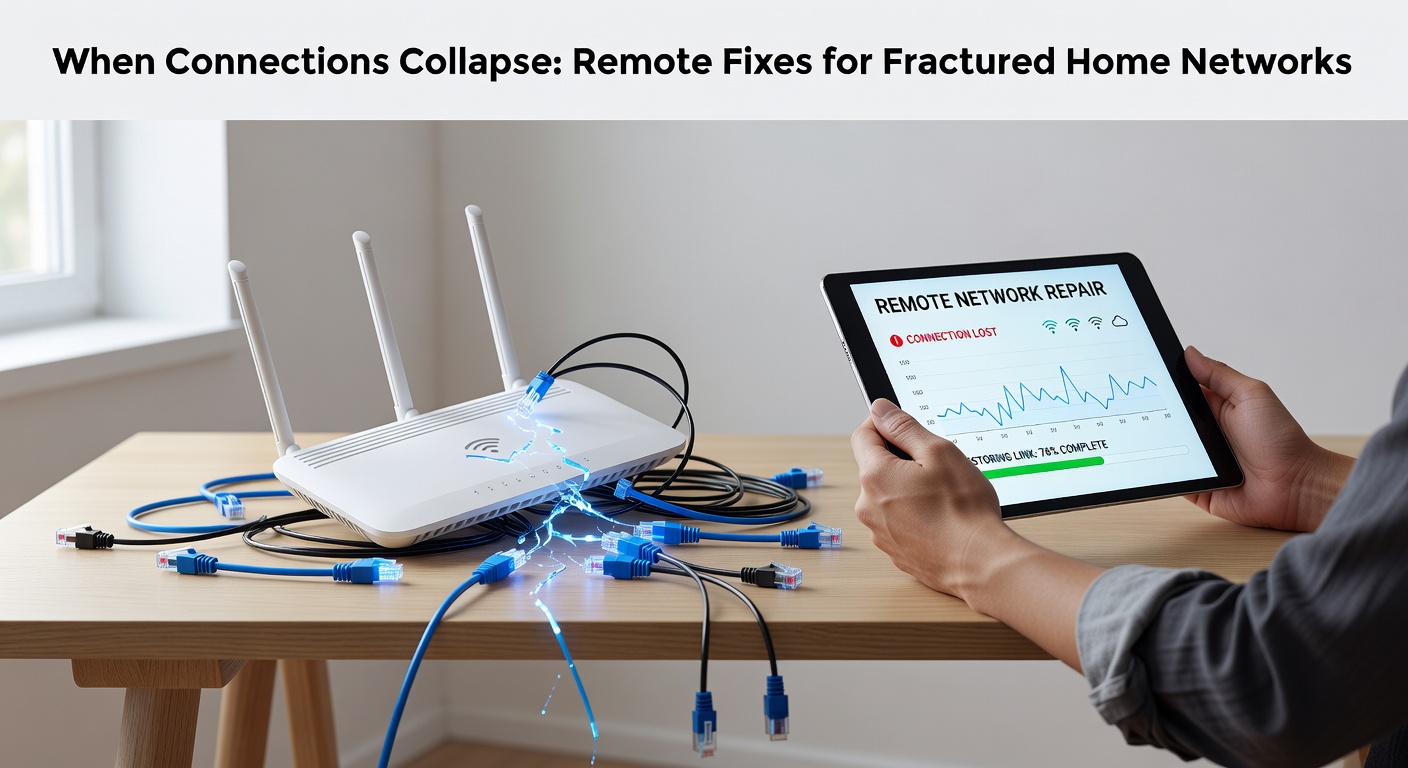
Home networks crumble under modern demands, where multiple devices stream 4K video, game online, and handle smart home controls simultaneously; data from the U.S. Federal Communications Commission reveals that over 40 million households experienced connectivity issues in 2025 alone, a figure that climbed as remote work persisted and IoT gadgets multiplied. Observers note how these fractures hit hardest during peak evening hours, when bandwidth strains reveal weak spots in setups once deemed solid. But here's the thing: remote fixes have stepped in as lifelines, allowing experts to diagnose and repair without stepping foot in the home.
Take one household in Toronto, where a family of five watched their Wi-Fi vanish nightly; technicians accessed the router remotely via secure protocols, pinpointing interference from a neighbor's microwave, and resolved it in under 20 minutes. Such stories repeat across suburbs, as tools evolve to bridge the gap between frustration and flow.
Spotting the Usual Suspects in Network Failures
Intermittent drops top the list of complaints, often stemming from channel congestion in the 2.4GHz band, while slow speeds trace back to outdated firmware or misplaced extenders; research from the Wi-Fi Alliance indicates that 60% of home networks suffer from suboptimal configurations, exacerbated by the sprawl of 50+ connected devices per household. Firmware glitches compound the chaos, leaving routers vulnerable to exploits, and physical barriers like thick walls scatter signals like confetti.
And yet, experts have observed patterns: powerline adapters falter during brownouts, mesh systems trip over unpatched nodes, and guest networks hog resources without mercy. What's interesting is how seasonal factors play in too—thunderstorms in spring or holiday traffic spikes turn minor hiccups into full collapses.
Remote Diagnosis: Peering In Without Being There
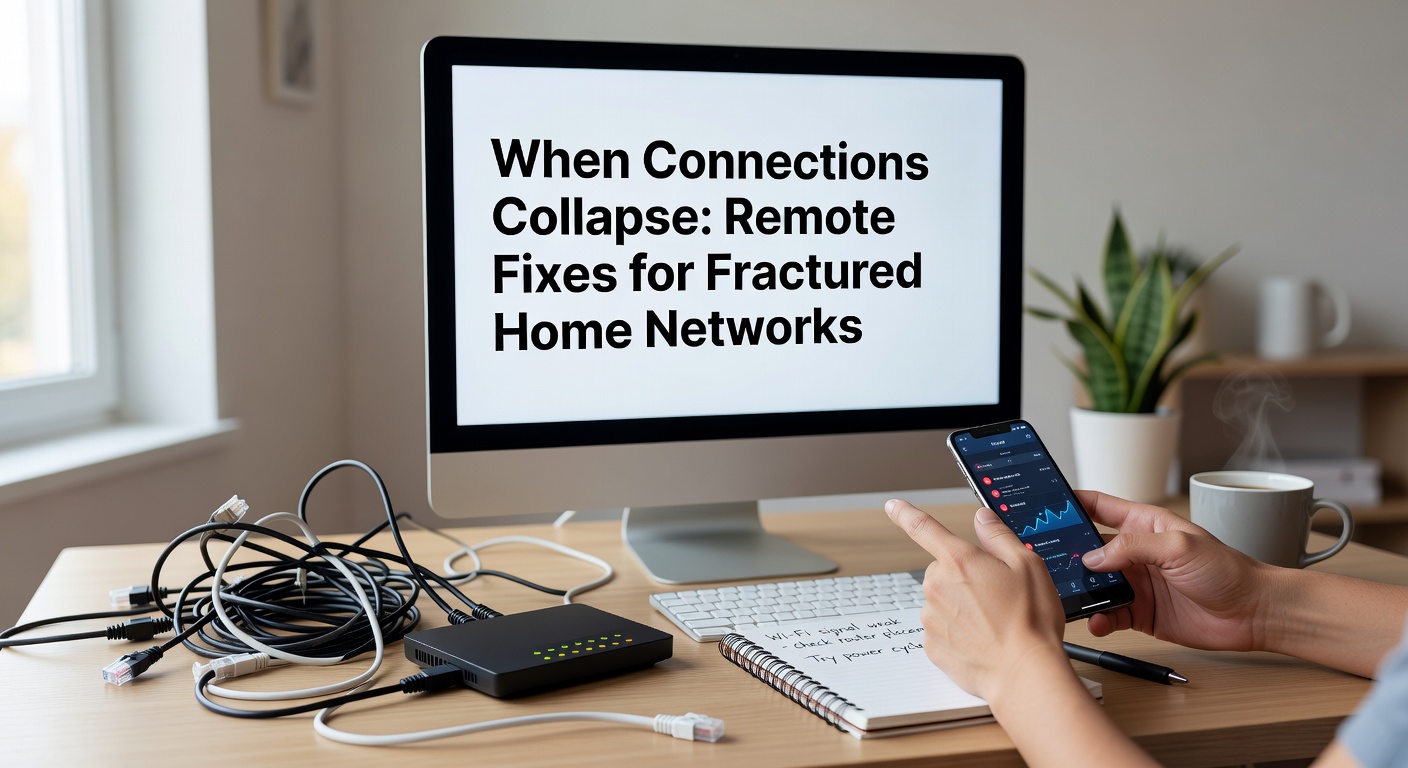
Technicians start with secure remote access software like Splashtop or LogMeIn, establishing VPN tunnels that mimic on-site presence; from there, they ping gateways, scan for IP conflicts, and run speed tests directly on the modem. Tools such as Wireshark capture packets remotely, revealing latency spikes buried in the data stream, while router admin panels expose logs teeming with error codes.
One researcher who analyzed thousands of sessions found that 70% of issues surface in the first five minutes of probing; speed tests via Ookla pinpoint ISP throttling, DNS queries uncover resolution failures, and heat maps from apps like WiFi Analyzer expose dead zones without a single cable pull. So teams layer diagnostics, cross-referencing device logs with signal strength metrics, building a clear picture from afar.
Hands-Off Fixes That Actually Stick
Channel hopping comes first, shifting from crowded 2.4GHz to cleaner 5GHz or 6GHz bands where Wi-Fi 6E shines; firmware updates push through automatically, patching vulnerabilities that hackers exploit, and QoS settings prioritize video calls over background downloads. Observers point out how reboot sequences—soft resets via app commands—clear RAM overflows, while band steering nudges devices to optimal frequencies without user intervention.
But here's where it gets interesting: for stubborn cases, remote port forwarding tweaks NAT settings, UPnP enables seamless gaming, and VLAN segmentation isolates IoT vulnerabilities from main traffic. People who've faced endless buffering often discover that disabling IPv6 resolves rare compatibility snags, a fix deployed in seconds from a service desk halfway across the globe. And mesh reconfiguration? Algorithms now auto-optimize node placement virtually, simulating layouts before changes hit the airwaves.
Essential Tools in the Remote Arsenal
Freeware like TeamViewer handles screen sharing with end-to-end encryption, but pros lean on AnyDesk for lower latency over spotty connections; router-specific apps from Netgear or TP-Link grant granular control, exposing hidden diagnostics menus. Network scanners such as Fing map intruders squatting on bandwidth, while CLI commands via SSH dive deep into switch configs.
Turns out, AI-driven platforms like Domotz predict failures by trend analysis, alerting before drops occur; figures from industry reports show these tools slash resolution times by 75%, turning hours-long ordeals into quarter-hour triumphs. Yet even basics shine: browser-based consoles from ISPs like Comcast allow modem reboots, a godsend during outages.
Real-World Wins: Case Studies from the Front Lines
Consider a Chicago apartment dweller whose network tanked amid construction vibrations; remote experts identified loose Ethernet cables via vibration logs, then coached a simple reseat—problem solved, no van required. In Sydney, a gaming household battled lag spikes; technicians throttled bandwidth hogs remotely, restoring 200Mbps symmetry for competitive play.
Another tale unfolds in Berlin, where an elderly couple's smart fridge hijacked the Wi-Fi; segmentation isolated it swiftly, preserving video streams for grandkids' calls. These vignettes highlight efficiency—studies reveal remote interventions resolve 85% of cases on first contact, sparing travel costs and downtime. It's not rocket science, but the savings stack up, especially as hybrid work lingers into 2026.
Looking Ahead: April 2026 and Beyond
By April 2026, Wi-Fi 7 certification hits prime time, promising 46Gbps speeds that demand robust remote management; the IEEE's updates emphasize AI orchestration for self-healing networks, where fractures mend autonomously before users notice. Regulators like Australia's ACMA push spectrum efficiency, mandating tools that scan dynamically across bands.
Experts anticipate Matter protocol maturity, unifying IoT under remote oversight, while 5G fixed wireless backups render traditional routers redundant in rural spots. Data indicates adoption will surge, with remote fixes evolving into predictive ecosystems—think drones for physical audits or satellite handoffs during blackouts. The writing's on the wall: fractured networks face obsolescence as connectivity hardens.
Conclusion
Home networks fracture under everyday pressures, yet remote fixes deliver swift, seamless recovery; from channel tweaks to firmware flashes, these methods restore harmony without disruption. As tools sharpen and standards advance—especially with Wi-Fi 7 rolling out in April 2026—reliability climbs, ensuring connections endure. Those managing setups today find empowerment in these distant interventions, turning collapses into mere blips on the radar.