Virtual Assistance Ecosystems: Tracking Remote Device Management Trends Through August 2026
Written by Devon Carter · Aug 21, 2026
Virtual Assistance Ecosystems: Tracking Remote Device Management Trends Through August 2026
Remote technical assistance operates through encrypted connections that allow specialists to access user devices across distances, diagnose issues in real time, and apply fixes without physical presence at the location. Data from industry reports show that adoption rates for these services increased steadily between 2024 and 2026 as households accumulated more interconnected gadgets ranging from smart appliances to shared laptops and mobile units. Service platforms typically employ screen-sharing protocols alongside chat or voice channels, which together create structured pathways for resolving software conflicts, network misconfigurations, and performance bottlenecks.
Core Mechanisms Behind Remote Interventions
Specialists initiate sessions after users grant explicit permissions through dedicated applications or browser-based portals, and once connected the process unfolds in sequenced steps that include initial diagnostics, targeted adjustments, and post-fix verification. Research indicates that common entry points involve automated scanning tools that identify outdated drivers or conflicting background processes before human oversight takes over. Those who manage high volumes of cases note that session durations average between twenty and forty-five minutes depending on the complexity of the reported problem and the number of devices involved in a single household network.
Security standards require end-to-end encryption along with multi-factor authentication for both parties, measures that regulatory bodies in several regions have begun to standardize. Figures from the Canadian Centre for Cyber Security reveal that properly implemented remote protocols reduce unauthorized access incidents when compared with unsecured local interventions, provided users follow verification steps at the start of each interaction.
Integration With Broader Household Connectivity Patterns
Households in 2026 often maintain mesh networks that link multiple access points, and remote support teams address resulting complications such as signal interference or firmware mismatches across these setups. Observers note that seasonal usage spikes, including increased video streaming during warmer months, frequently trigger bandwidth allocation conflicts that specialists resolve by reconfiguring quality-of-service settings. One documented case involved a family office where simultaneous updates on three devices caused cascading slowdowns until a remote session isolated the offending process and restored normal operation.
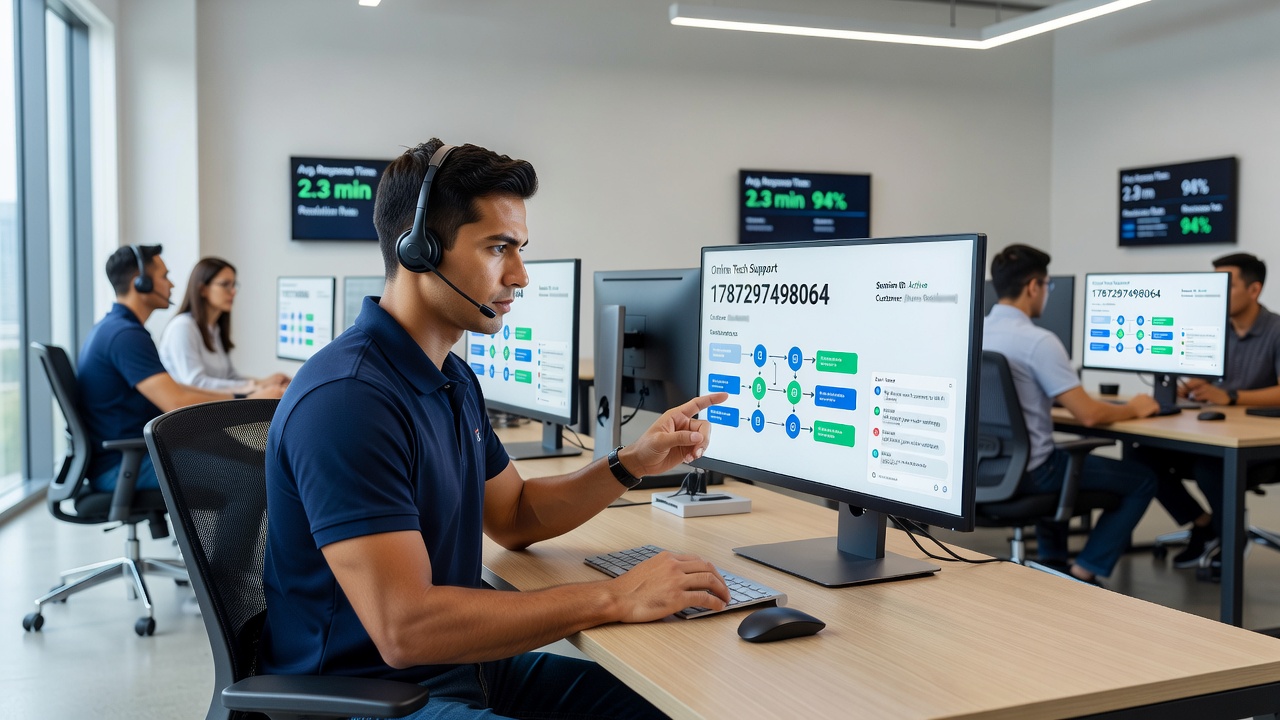
Cross-platform synchronization services add another layer of complexity because permission layers accumulate over time and fragment available storage. Evidence suggests that remote technicians routinely review these layers during maintenance calls, clearing redundant caches and adjusting sync intervals to prevent recurring slowdowns. Academic studies from institutions in the European Union have tracked how such interventions correlate with measurable improvements in boot times and application responsiveness across shared family machines.
Statistical Overview of Service Utilization
Utilization data compiled through mid-2026 shows that requests peak during evening hours when multiple users access shared resources simultaneously. According to findings published by the Australian Competition and Consumer Commission, approximately sixty-two percent of remote support interactions in the preceding year addressed software update failures or peripheral recognition errors. These statistics align with patterns observed in North American markets where device density per household continues to rise.
Training programs for support personnel emphasize both technical proficiency and clear communication, because users vary widely in their familiarity with underlying systems. Sessions frequently incorporate screen recordings that serve as reference material for future self-troubleshooting, reducing repeat contacts for the same category of issue. Industry associations report that such follow-up resources contribute to higher satisfaction scores when measured across large sample groups.
Future Trajectories and Regulatory Context
Policy developments scheduled for late 2026 aim to expand minimum encryption requirements for all remote access tools operating within certain jurisdictions. Those who monitor compliance trends anticipate that these updates will standardize logging practices, thereby creating audit trails that benefit both users and service providers in dispute resolution. Research institutions continue to examine how background process timing interacts with remote intervention windows, seeking to minimize disruptions during active household usage periods.
Collaboration between device manufacturers and support platforms has produced diagnostic APIs that allow faster identification of hardware-specific anomalies without requiring full system access. Data from these integrations indicate shorter average resolution times when compared with earlier manual methods that relied solely on user descriptions of symptoms.
Conclusion
Remote device management services have evolved into structured ecosystems that combine automated diagnostics with human expertise to address the expanding range of issues arising in connected households. As of August 2026, utilization metrics and regulatory frameworks together point toward continued refinement of security protocols and integration methods. Observers tracking these developments note measurable effects on overall system stability when support occurs through established, permission-based channels.