Tracing Chain Reactions in Router Firmware Updates and Their Impact on DNS Paths and Smart Home Device Connectivity
Written by Uma Lorenz · Jun 12, 2026
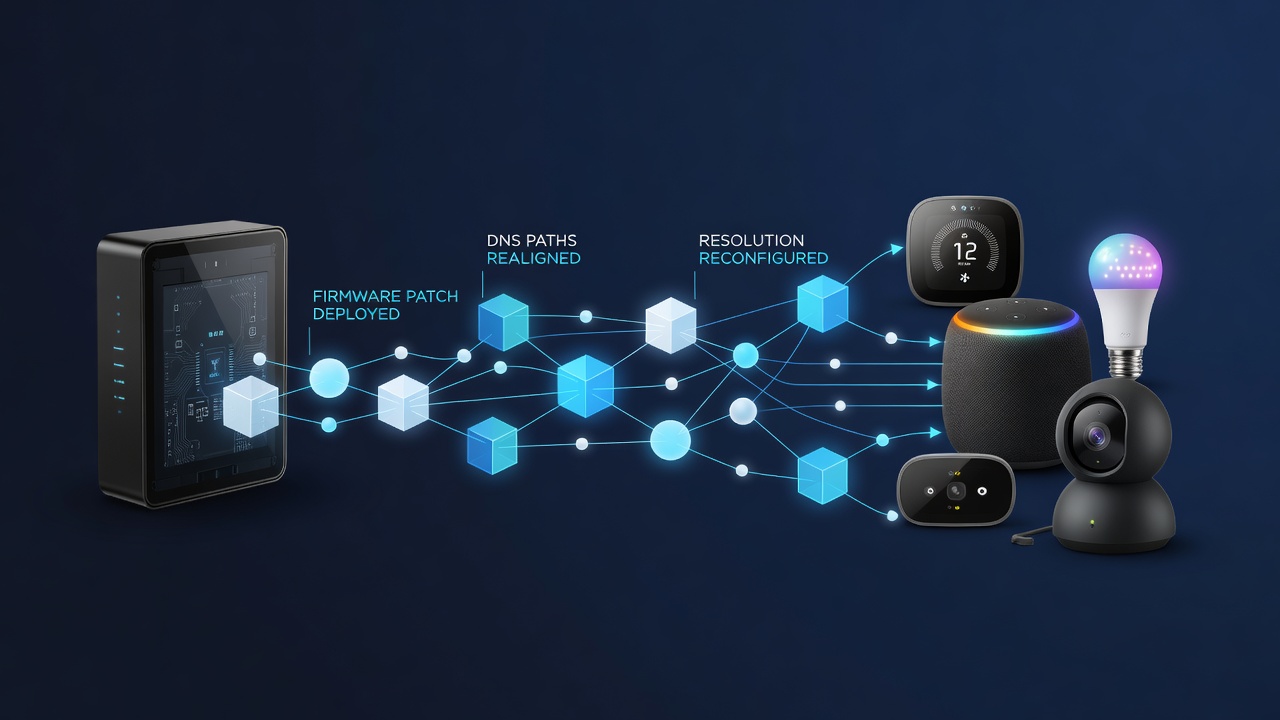
Tracing Chain Reactions in Router Firmware Updates and Their Impact on DNS Paths and Smart Home Device Connectivity
Router firmware patches often trigger sequences of adjustments in DNS resolution paths that extend through entire home networks and reach smart home ecosystems over extended periods. These updates address security vulnerabilities and performance issues yet initiate shifts in how devices locate and connect to services. Data from network monitoring tools shows that changes in DNS routing can alter query response times by fractions of seconds which accumulate across multiple devices.
Manufacturers release firmware updates to correct flaws in routing protocols and enhance compatibility with emerging standards. When applied these patches modify the default DNS servers or resolution hierarchies that devices rely upon for initial handshakes. Researchers at academic institutions have documented cases where such modifications reroute traffic through alternate servers located in different geographic regions. This realignment affects latency for queries originating from smart thermostats and lighting systems that depend on consistent external endpoints.
Initial Effects on DNS Resolution Paths
Patches typically replace or reorder DNS resolver addresses embedded in the router configuration. Devices that previously cached old paths encounter mismatches during renewal cycles. Network logs reveal that query failures increase temporarily as pairings attempt to reestablish connections through revised routes. In practice this leads to repeated discovery broadcasts from sensors and hubs that seek updated service locations. Observers note that the process unfolds gradually because many smart home gadgets refresh their DNS information only during scheduled maintenance windows or power cycles.
Smart home pairings rely on stable name resolution for cloud services and local gateways. When DNS paths shift the devices must renegotiate certificates and authentication tokens. Studies conducted by university labs indicate that these renegotiations introduce delays ranging from several seconds to multiple minutes depending on network load. The chain continues as hubs propagate the new resolution data to peripheral nodes creating a ripple across the mesh or star topology common in residential setups.
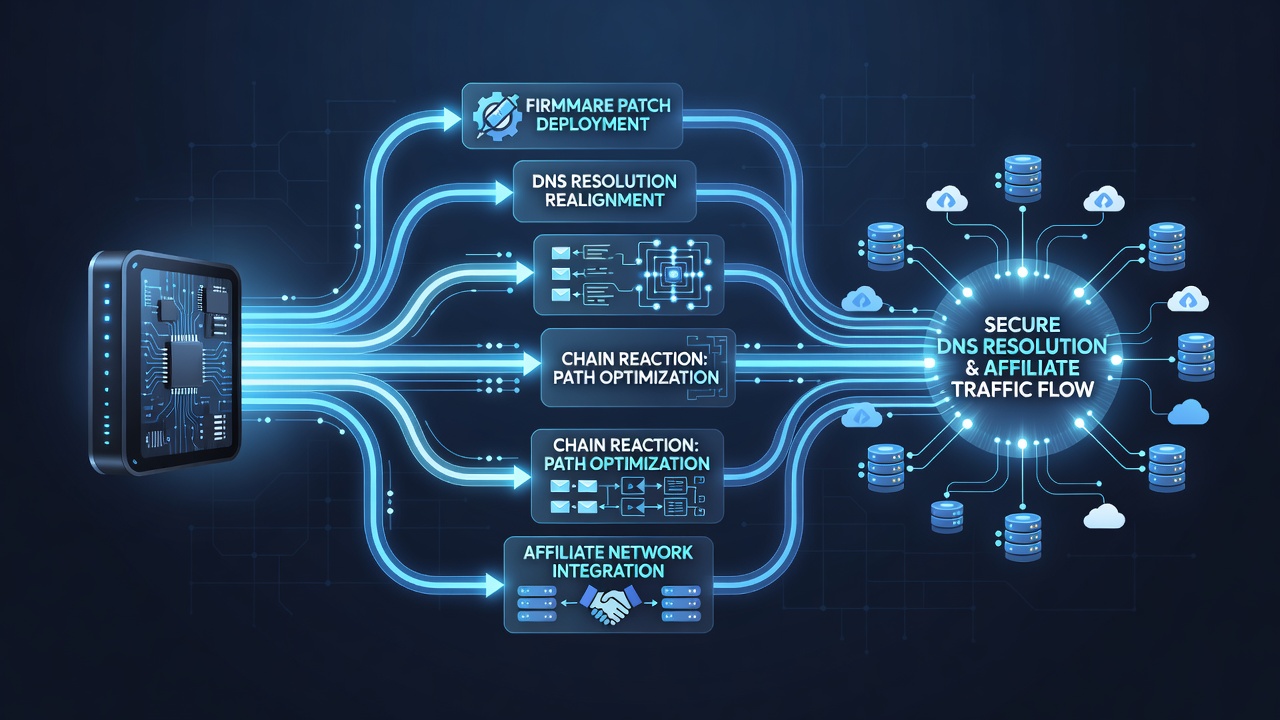
Propagation Through Device Ecosystems
Once DNS paths stabilize the effects surface in pairing stability. Voice assistants and security cameras that maintain persistent connections to remote servers experience intermittent drops until their internal caches align with the revised routes. According to findings from European research networks these disruptions compound when multiple devices share the same router because each initiates its own resolution sequence. Manufacturers respond by issuing companion app updates that clear stale entries yet the timing often lags behind firmware deployments by days or weeks.
Longer term patterns emerge as firmware patches accumulate across successive versions. In June 2026 several router vendors coordinated releases that standardized IPv6 DNS preferences which further altered resolution hierarchies for legacy IPv4 devices. Data compiled by industry monitoring groups shows elevated pairing failure rates in households that retained older smart plugs and sensors during this transition period. The devices continued to reference deprecated endpoints until manual interventions or automatic firmware refreshes occurred on the endpoints themselves.
Case Examples from Residential Networks
Take one household where a firmware update on a popular dual band router redirected DNS queries through a newly prioritized anycast server cluster. Within hours the connected door locks began reporting offline status because their pairing protocol timed out during certificate validation. Technicians traced the issue to altered round trip times that exceeded the devices default retry windows. Similar sequences appeared in other homes where lighting systems lost synchronization with central controllers after the same patch cycle.
Another documented instance involved a mesh network setup in which secondary nodes inherited the primary router DNS changes through backhaul links. Smart speakers attached to those nodes required repeated factory resets before stable pairings returned. Research papers from North American institutions highlight how these interactions scale with the number of connected endpoints because each additional device multiplies the opportunities for resolution mismatches.
Monitoring and Mitigation Approaches
Network administrators and home users can track these chain reactions through router logs that record DNS query patterns before and after updates. Tools provided by equipment makers allow comparison of resolution paths across firmware versions. Evidence from regulatory bodies such as those in Canada indicates that transparent disclosure of DNS modifications in patch notes reduces troubleshooting time for affected households. Organizations focused on IoT interoperability have published guidelines that recommend staggered update rollouts to limit simultaneous pairing disruptions.
Over extended timelines the cumulative impact includes shifts in power consumption for battery operated sensors that repeatedly attempt reconnections. Figures from Australian research centers reveal measurable increases in daily energy draw during periods of widespread firmware deployment. These secondary effects underscore the interconnected nature of router level changes and endpoint behavior across smart home installations.
Conclusion
Router firmware patches that realign DNS resolution paths set off extended sequences affecting smart home device pairings. The process begins with configuration updates at the network edge and propagates through cached entries and authentication routines in connected gadgets. Documentation from multiple regions confirms that awareness of these dynamics enables more predictable maintenance schedules for residential networks. As device ecosystems continue to expand the traceability of such chain reactions remains essential for maintaining functional connectivity over time.