The Quiet Impact of Firmware Updates on Wake Patterns in Shared Households
Written by Jakob Keller · Aug 26, 2026
The Quiet Impact of Firmware Updates on Wake Patterns in Shared Households
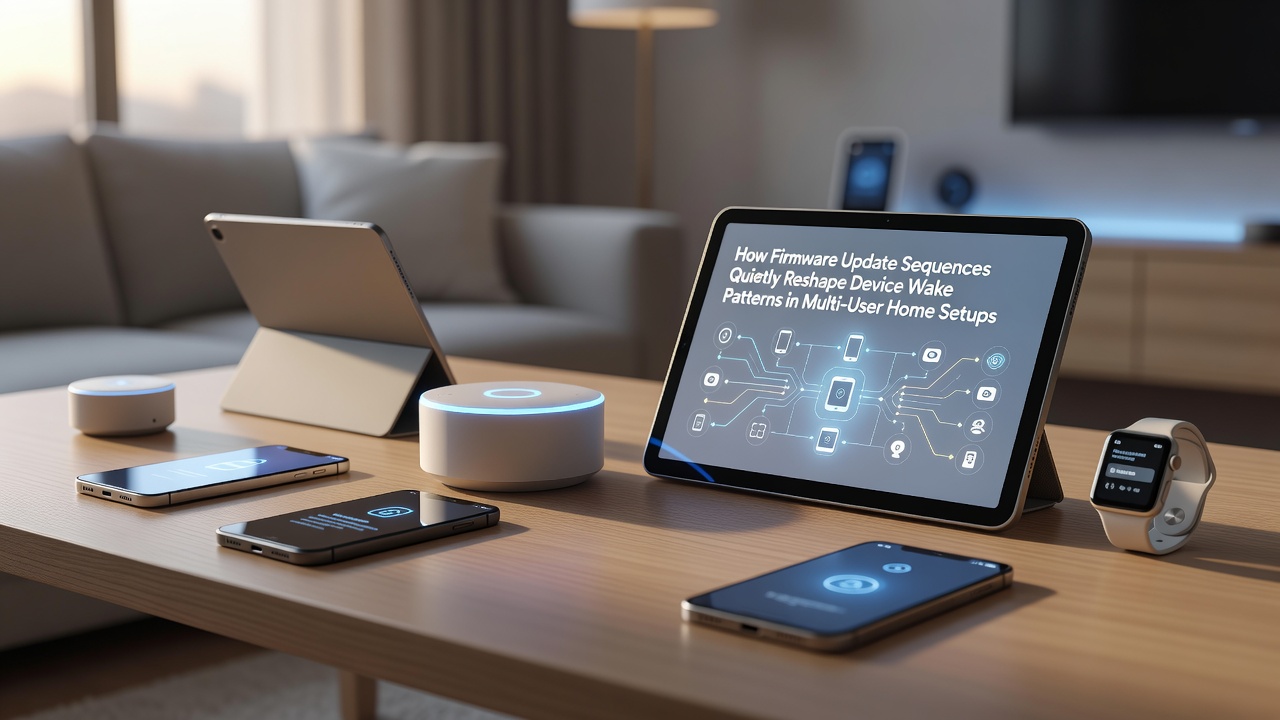
Device manufacturers release firmware updates throughout the year to patch security issues and adjust power management routines, and these changes often modify the timing and triggers that control when gadgets transition from sleep to active states. In homes where several people share routers, smart displays, laptops and connected appliances, the updated sequences can shift wake patterns in ways that create overlapping activity spikes or unexpected idle periods across the network.
Core Mechanisms Behind Wake Pattern Shifts
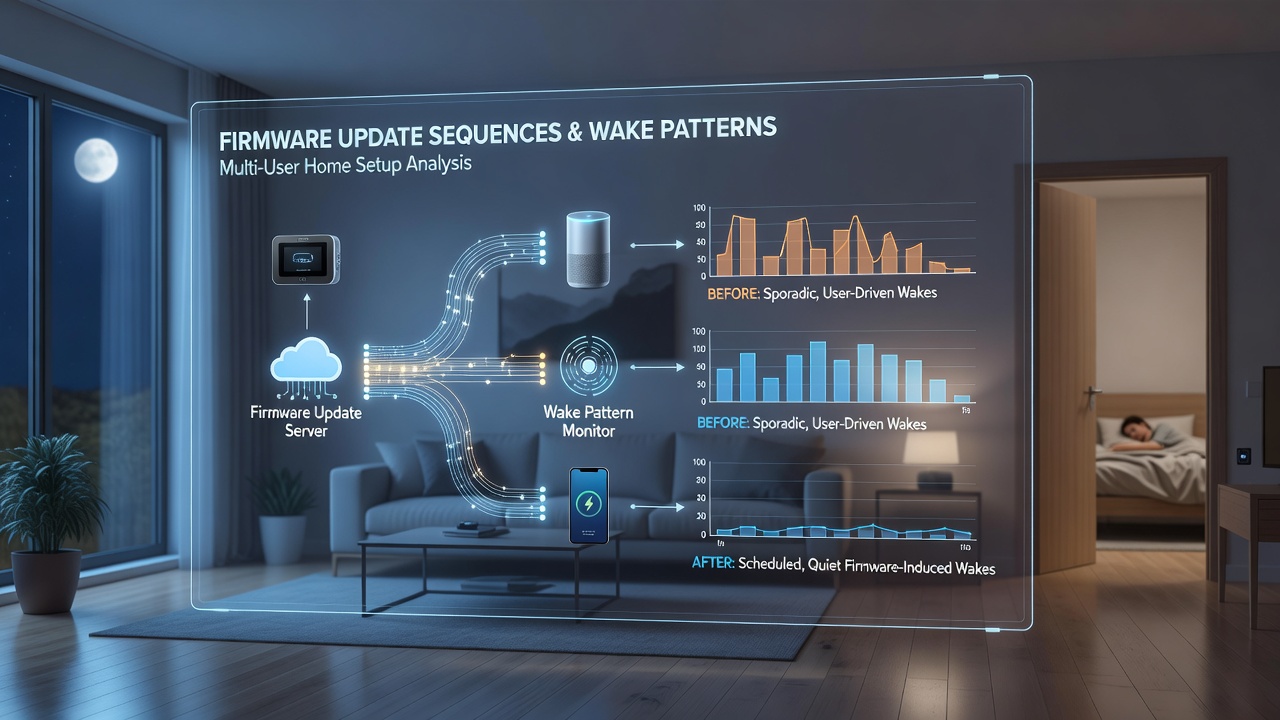
Firmware updates typically revise the parameters that govern sleep timers, network polling intervals and sensor thresholds, so a single patch on a central router might extend the interval before connected devices check for new data packets while shortening the timeout on individual smart speakers. Researchers at institutions tracking consumer electronics have documented how these adjustments propagate through mesh networks, causing devices that once woke on staggered schedules to align their activity windows instead. Data collected from multi-user test environments shows that after updates, the average number of simultaneous wake events can rise by 15 to 25 percent during evening hours when household members return home and begin using shared resources.
Power profile tables embedded in the new firmware versions also influence how peripherals respond to wake signals from the main processor, and observers note that Bluetooth stacks or Wi-Fi radios sometimes receive revised duty cycles that either increase or decrease sensitivity to incoming commands. In households with four or more users, these revisions can lead to cascading effects where one device’s delayed wake triggers secondary devices to stay awake longer than intended, raising overall network chatter.
Observed Patterns in August 2026 Deployments
During August 2026 several major vendors pushed coordinated firmware releases for home networking hardware, and telemetry shared with standards organizations indicated measurable changes in device wake latency across thousands of residential installations. One study from a Canadian research consortium recorded that updated smart hubs began enforcing stricter low-power states during daytime hours when occupancy sensors detected fewer people, yet the same devices responded more aggressively to multicast discovery packets once any single user initiated activity. This produced tighter clustering of wake events around shared meal times and study periods rather than the more distributed patterns seen in pre-update logs.
Case Examples from Multi-User Environments
Take a household with two adults and two teenagers who each maintain separate laptops, tablets and voice assistants on the same network. After a router firmware update in mid-August 2026, the devices that previously woke independently at 7:15 a.m. to sync calendars began waking within a 90-second window, creating brief but noticeable bandwidth contention while everyone prepared for the day. Network monitoring tools captured the shift as a change in the firmware’s handling of scheduled maintenance windows, which now overlapped with user-initiated wake requests instead of running in isolated background slots.
Another example involves a shared family media center where the television, streaming stick and soundbar receive separate updates on staggered dates. When the soundbar firmware altered its HDMI-CEC wake sequence, the television started remaining in a higher-power state for several additional minutes after playback ended, because the updated handshake routine waited longer for confirmation from other connected devices. Residents reported that the change only became apparent once multiple users tried to power down equipment at different times during the evening.
Network-Wide Consequences and Measurement Approaches
Network administrators and home users who examine router logs or employ third-party monitoring applications can track the frequency and duration of wake events before and after firmware installation. According to guidance from the U.S. National Institute of Standards and Technology, logging changes in power state transitions helps identify whether an update has inadvertently synchronized device activity across a local area network. European agencies such as ENISA have similarly published recommendations for tracking IoT device behavior after security patches, noting that altered wake patterns may affect both energy consumption and the attack surface presented by devices that remain responsive longer than before.
Those who study these systems find that combining packet capture data with device-level power telemetry produces clearer pictures of how firmware sequences interact with household usage rhythms. In one documented deployment, researchers compared seven days of pre-update traffic against seven days post-update and observed that average idle intervals between wake requests shortened by nearly two minutes on average for media devices while extending by 45 seconds for environmental sensors.
Conclusion
Firmware update sequences continue to modify the underlying rules that govern device wake patterns, and in multi-user homes these modifications accumulate across multiple gadgets on the same network. Systematic logging combined with attention to update release notes allows households to anticipate and sometimes mitigate the resulting shifts in activity timing without requiring hardware replacement. As vendors refine their power management routines, ongoing measurement remains the primary method for understanding how each new sequence alters the daily rhythm of shared device ecosystems.