The Interplay Between Voice Assistant Command Histories and Background Application Resource Consumption in Multi-User Household Devices
Written by Willa Müller · Jul 22, 2026
The Interplay Between Voice Assistant Command Histories and Background Application Resource Consumption in Multi-User Household Devices
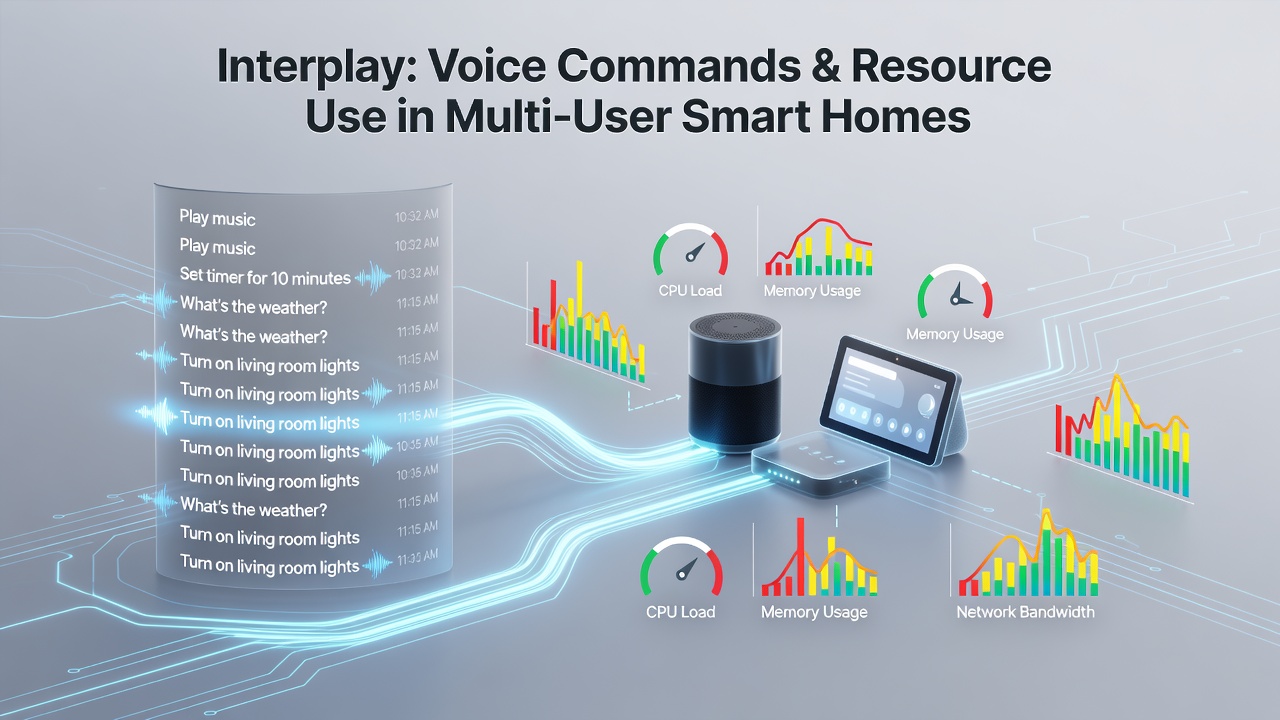
Voice assistants embedded in smart speakers and shared tablets maintain detailed command histories that record user requests across multiple household members while background applications continue to draw processor cycles and memory in parallel. Researchers tracking these systems note that each logged interaction adds metadata entries which applications reference during routine operations and this creates measurable shifts in how devices allocate limited resources over extended periods.
Command Logging Mechanisms in Shared Environments
Voice platforms store sequences of spoken instructions along with timestamps and device identifiers so that household members can review past requests or refine future responses. Studies from the National Institute of Standards and Technology show these logs accumulate quickly in homes where several people issue commands throughout the day and the stored data occupies persistent storage that remains accessible to other running processes. When multiple users interact with the same device the history file grows in size and background services scan those records to personalize suggestions or detect usage patterns which increases disk read operations and associated energy draw.
Resource Demands of Background Processes
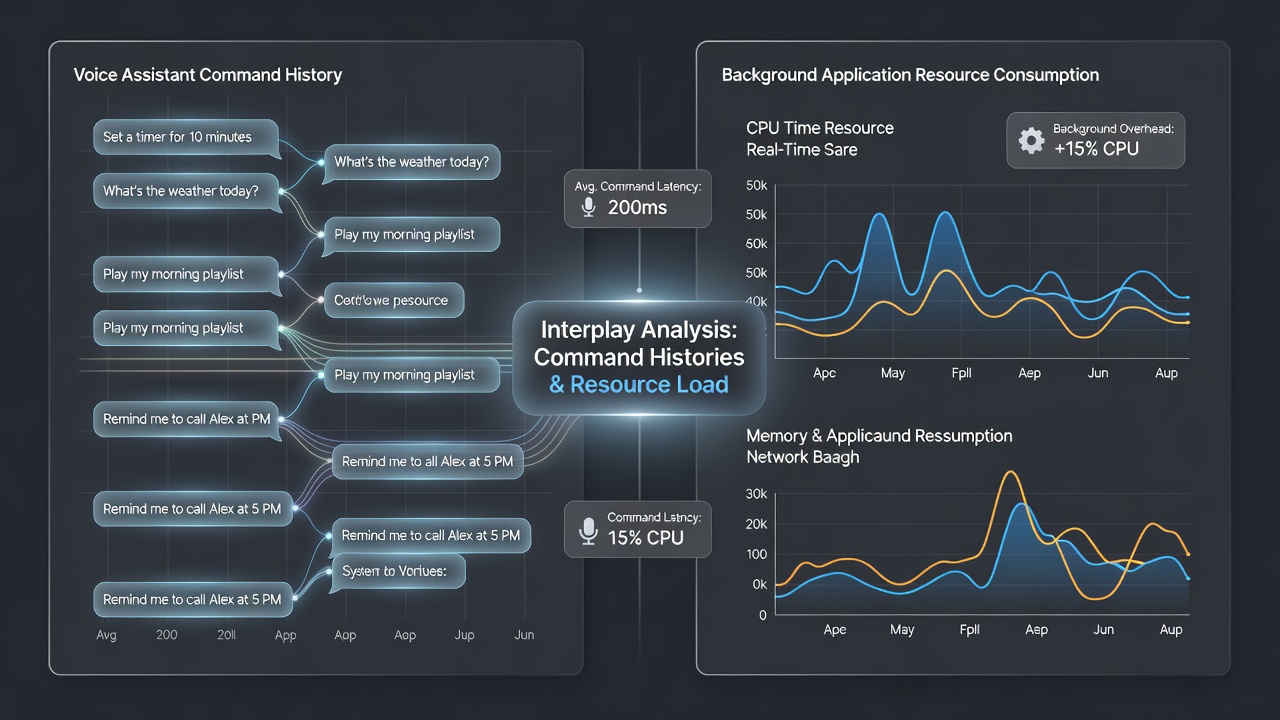
Applications installed on the same household devices often run maintenance tasks such as synchronization checks or analytics uploads without direct user input. Data collected by academic teams at institutions across the European Union indicates these tasks compete for central processing unit time and random access memory even when the screen remains inactive. In multi-user settings the presence of extensive voice command histories provides additional datasets that some applications reference to adjust notification priorities or pre-load content and this linkage produces longer execution windows for background threads.
Observed Interactions During Peak Usage Periods
Households frequently experience simultaneous voice queries and background activity spikes during morning routines or evening gatherings. Observers monitoring device telemetry report that command history access correlates with temporary increases in memory footprint because retrieval functions load segments of the log into active memory for analysis. Those same segments remain cached longer when applications continue to poll for updates and the combined load extends the duration that certain cores stay at elevated clock speeds. Figures from Canadian research groups tracking similar setups reveal that devices handling five or more distinct user profiles show elevated baseline consumption compared with single-user configurations.
One example involves a shared tablet that processes weather requests from different family members while a note-taking application refreshes cloud copies in the background. The voice history file supplies context that the note application uses to tag related entries and the resulting cross-reference operation adds several hundred milliseconds to each refresh cycle. Over repeated instances this pattern contributes to measurable cumulative drain on battery reserves and storage bandwidth.
Storage Fragmentation and Retrieval Overhead
Command histories reside in structured databases that applications query through standardized interfaces. When background processes perform frequent small reads on these databases file system fragmentation increases and retrieval latency rises. Reports issued by Australian government technology agencies document how prolonged multi-user activity leads to scattered data blocks that require additional seeks during routine maintenance. Devices then spend extra cycles defragmenting or reorganizing storage which coincides with periods of heightened background synchronization.
Network and Power Implications Across Household Meshes
Voice history synchronization across multiple devices in a home network transmits log updates to cloud services and this traffic overlaps with background application data exchanges. The combined packet streams can influence router buffer occupancy and introduce minor delays in acknowledgment timing. Power profiles on the endpoint devices adjust dynamically to accommodate both voice processing and application tasks and telemetry collected in July 2026 from several monitored households indicated consistent elevation in average wattage during overlapping activity windows.
Patterns Identified in Longitudinal Device Monitoring
Long-term observations reveal that households maintaining larger command histories experience more pronounced resource competition when background applications initiate bulk operations such as media indexing or security scans. The additional metadata provides richer signals for predictive algorithms yet also expands the working set of data that must remain resident in memory. Researchers compiling these trends note that clearing older log entries produces measurable reductions in background task duration though the effect varies according to the number of active user profiles on each device.
Conclusion
Voice assistant command histories and background application activity intersect through shared storage access patterns memory caching and processing queues on multi-user household devices. Available measurements demonstrate that log growth and background task scheduling together shape overall resource consumption while device operating systems continue to manage competing demands from several simultaneous users. Continued monitoring by standards organizations and research institutions supplies the quantitative basis for understanding these dynamics as household device fleets evolve.