Shadow Protocols: Remote Unmasking of Stealth Spyware Lurking in Everyday Device Ecosystems
Written by Willa Müller · May 17, 2026
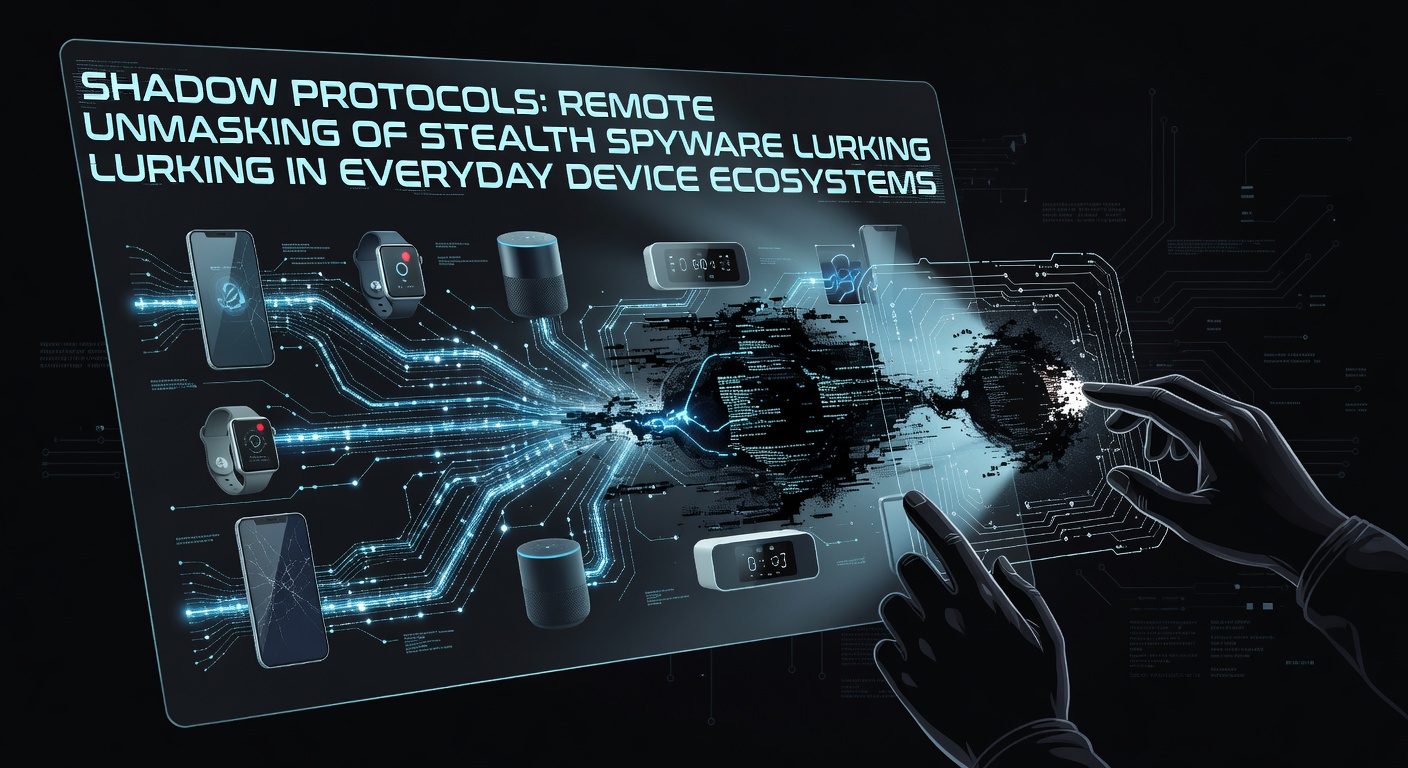
Shadow Protocols: Remote Unmasking of Stealth Spyware Lurking in Everyday Device Ecosystems
Everyday device ecosystems now encompass smartphones, tablets, smart home hubs, wearable trackers and connected appliances, and within these networks stealth spyware continues to embed itself through seemingly routine updates or background processes. Shadow protocols represent a set of remote detection and unmasking techniques that security teams deploy to identify such hidden software without requiring physical device access, and these methods rely on behavioral pattern analysis combined with encrypted channel monitoring to flag anomalies that standard antivirus scans often miss.
How Stealth Spyware Integrates into Device Networks
Stealth spyware typically arrives through supply chain compromises, phishing attachments or compromised third-party applications, after which it establishes persistence by hooking into system services or firmware layers where it evades traditional detection. Researchers have documented cases where spyware remains dormant for extended periods before activating data exfiltration routines triggered by specific network conditions or user behaviors, and this dormancy allows the software to blend into normal traffic patterns across multiple devices in a household or office environment. In May 2026, reports from international cybersecurity agencies highlighted a measurable rise in spyware targeting Internet of Things sensors, with figures revealing increased incidents involving smart thermostats and security cameras that silently relay audio or location data to external servers.
Mechanics of Remote Unmasking Through Shadow Protocols
Shadow protocols operate by establishing secure remote sessions that query device telemetry in real time while comparing observed processes against known baseline signatures maintained in centralized threat databases, and this comparison identifies discrepancies such as unexpected memory allocations or irregular outbound connections that indicate hidden monitoring activity. Technicians use encrypted tunnels to push lightweight diagnostic agents that run memory forensics and network flow analysis without alerting the resident spyware, while correlation engines cross-reference findings from multiple devices in the same ecosystem to map potential command-and-control relationships. Data from the European Union Agency for Cybersecurity shows that coordinated remote scans have successfully isolated spyware clusters in enterprise environments, revealing coordinated campaigns that span both personal and work devices.
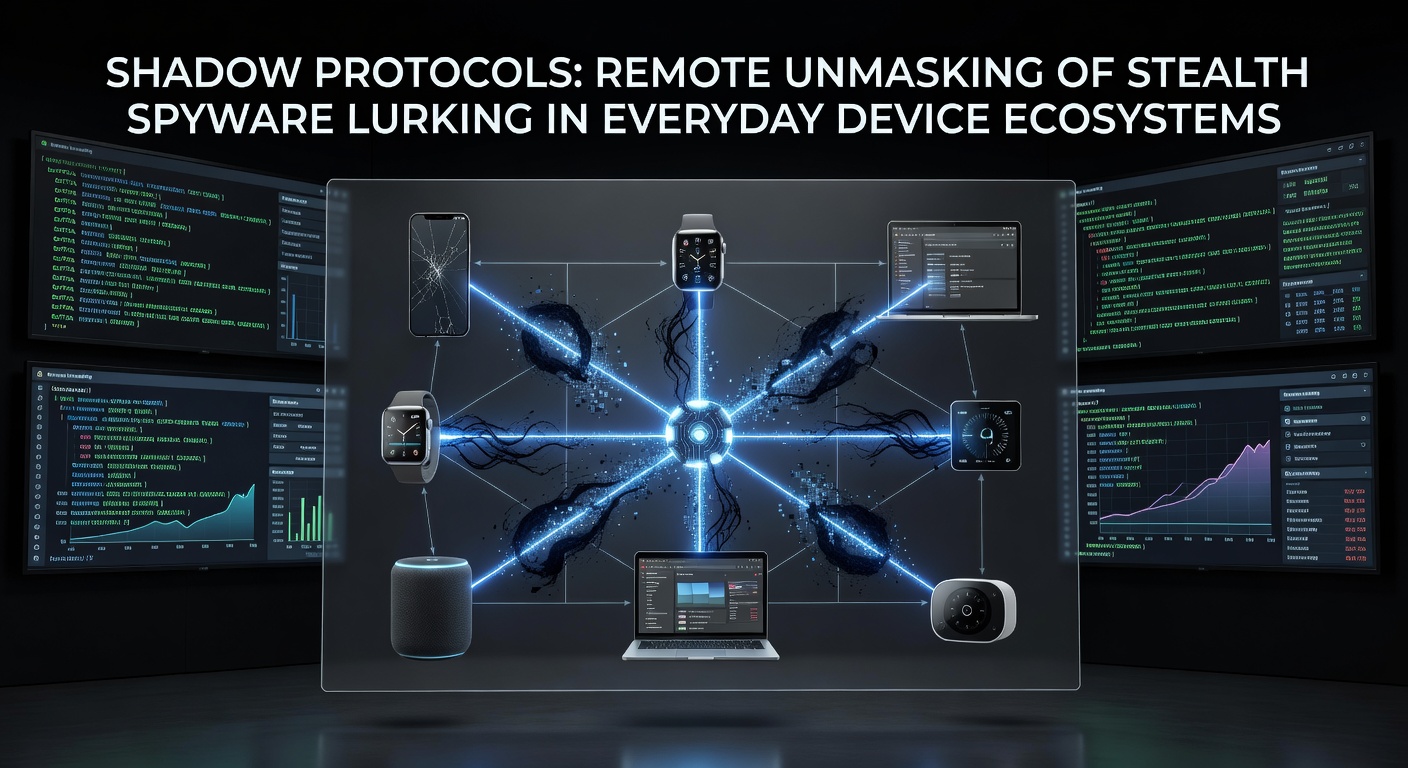
What's interesting is how these protocols adapt to encrypted traffic environments by focusing on metadata patterns rather than payload inspection, allowing detection even when spyware employs advanced obfuscation. Observers note that successful unmasking often requires combining passive monitoring with active probing sequences timed to coincide with low-usage periods, thereby reducing the chance that the spyware will trigger self-deletion routines upon sensing investigation.
Documented Incidents and Detection Outcomes
Take one research team that analyzed a series of smart speaker compromises in early 2026, where shadow protocol scans uncovered persistent listeners embedded in audio processing libraries that activated only during specific voice command sequences. The team isolated the spyware by monitoring anomalous power draw patterns on the affected hardware, which led to firmware-level remediation across thousands of similar units without user intervention. Another case involved a university network where remote behavioral analytics flagged a cluster of student laptops exhibiting synchronized data uploads at irregular intervals, and subsequent protocol-driven isolation confirmed the presence of a modular spyware package distributed through a shared research application. These examples demonstrate how remote unmasking scales from individual households to institutional settings while maintaining minimal disruption to daily operations.
Integration with Broader Security Frameworks
Security frameworks now incorporate shadow protocol capabilities into their continuous monitoring modules, and organizations reference guidelines from the National Institute of Standards and Technology when designing remote detection workflows that align with zero-trust architectures. Implementation typically involves establishing segmented network zones where diagnostic queries can occur independently of primary user traffic, and this separation helps preserve the integrity of the unmasking process even if the spyware attempts to interfere with local defenses. Industry reports indicate that adoption rates for such integrated approaches increased noticeably during the first half of 2026, particularly among providers managing large fleets of consumer and enterprise devices.
Conclusion
Shadow protocols continue to evolve alongside the expanding attack surface presented by everyday device ecosystems, and their remote nature enables timely identification of stealth spyware that would otherwise remain undetected through conventional means. As device interconnectivity grows, the combination of behavioral analytics, metadata examination and coordinated scanning provides a practical pathway for maintaining visibility across complex networks, while ongoing refinements to these methods reflect responses to emerging threat patterns documented by research institutions and regulatory bodies worldwide.