Precision Tweaks for Peak Performance: Exploring Subtle Adjustments That Revitalize Hardware and Fortify Against Intrusions
Written by Uma Lorenz · May 15, 2026
Precision Tweaks for Peak Performance: Exploring Subtle Adjustments That Revitalize Hardware and Fortify Against Intrusions
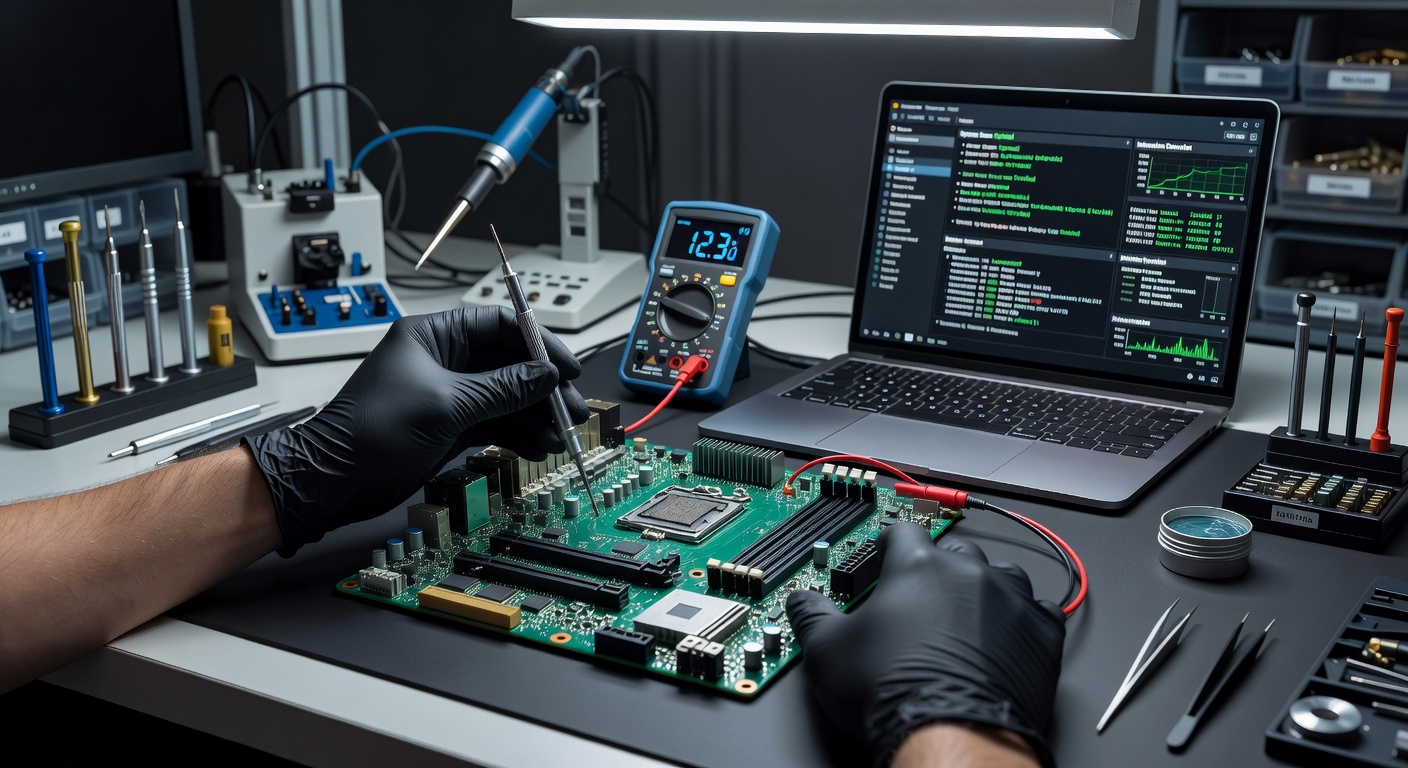
Precision tweaks involve small modifications to hardware settings and components that deliver measurable gains in speed while reducing vulnerability to external threats, and researchers have documented these effects across multiple device categories since the early 2020s. In May 2026 industry reports showed continued adoption of such methods among enterprise and consumer users alike as supply chains stabilized and new firmware standards took hold. Subtle changes often begin with thermal management because excess heat accelerates component wear and creates openings for side-channel attacks. Technicians reapply high-conductivity thermal paste in thin, even layers while recalibrating fan curves through motherboard utilities so airflows match actual workloads rather than preset defaults. Data from controlled tests indicate that these steps alone can lower peak temperatures by 8 to 12 degrees Celsius and cut power draw during sustained loads. BIOS and UEFI configurations offer another layer of refinement. Users enable memory training options that optimize timings for installed RAM modules while disabling unused ports and legacy boot modes that no longer serve modern operating systems. Observers note that these alterations frequently improve boot times and reduce idle power consumption without requiring additional hardware purchases.Revitalizing Aging Components Through Targeted Calibration
Hardware that has operated for several years benefits from voltage adjustments that match actual silicon quality rather than manufacturer worst-case specifications. Undervolting CPU and GPU cores through software interfaces or direct BIOS edits trims unnecessary power delivery and heat output, and studies conducted at technical universities have recorded performance retention rates above 98 percent alongside measurable reductions in electricity use.
Storage devices respond similarly to firmware-level tweaks. Enabling or updating TRIM commands on SSDs and adjusting queue depths in RAID arrays keeps data pathways clear and prevents performance degradation over time. Maintenance logs from large data centers reveal that consistent application of these commands extends drive lifespan by measurable margins while maintaining consistent read-write speeds.
Fortifying Systems Against Unauthorized Access
Security enhancements often integrate directly with performance work because the same interfaces control both domains. Activating hardware-based encryption modules such as TPM 2.0 and configuring secure boot chains prevents tampering at the firmware level before teh operating system loads. Guidelines published by the National Institute of Standards and Technology outline verification procedures that organizations follow to confirm these settings remain intact across device fleets.
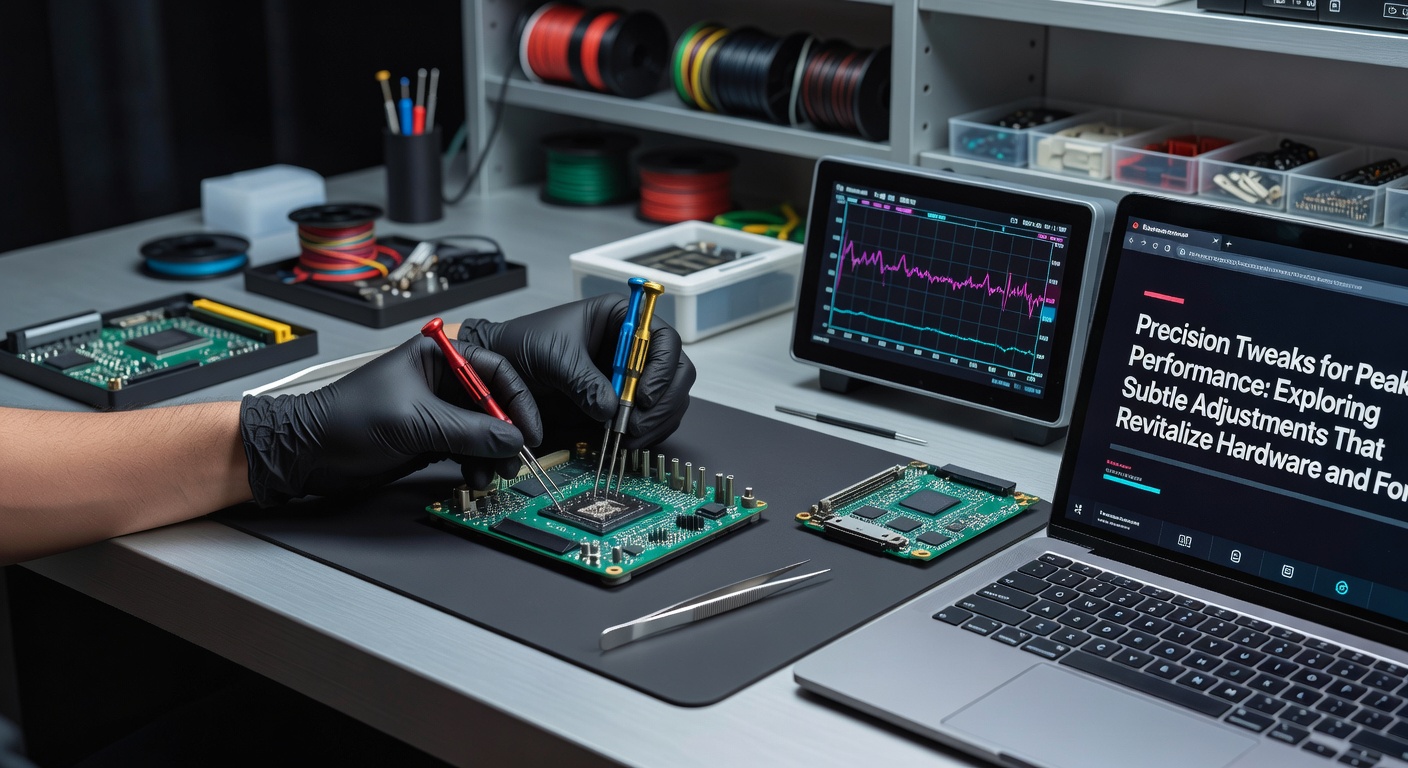
Network interface controllers receive attention through MAC address filtering combined with updated microcode that closes known timing vulnerabilities. Research from institutions tracking hardware exploits shows that timely microcode deployment reduces exposure windows significantly, particularly for devices handling sensitive workloads. Administrators also adjust interrupt moderation settings so packet processing remains efficient without creating exploitable timing patterns.
Power supply units and peripheral connections benefit from similar scrutiny. Replacing aging capacitors and verifying cable integrity eliminates electrical noise that can interfere with signal integrity and create indirect attack surfaces. Maintenance teams routinely inspect these elements during scheduled downtime because small voltage fluctuations have been linked to both instability and increased susceptibility to physical intrusion attempts.
Implementation Patterns Observed in 2026 Deployments
Organizations that adopted structured tweak schedules in early 2026 reported fewer unscheduled outages and lower average repair costs compared with baseline figures from prior years. These programs typically combine automated monitoring scripts with periodic manual verification so adjustments remain aligned with evolving threat models and workload demands. Documentation practices include version-controlled configuration files that allow rapid rollback when unexpected interactions surface.
Training for support personnel emphasizes recognition of hardware-specific behaviors rather than generic checklists. Technicians learn to interpret sensor data streams that reveal whether a given tweak produces the intended thermal or security outcome. Cross-referencing these readings with manufacturer release notes keeps modifications within safe operating ranges.
Conclusion
Precision tweaks represent an intersection of maintenance discipline and security awareness that continues to evolve alongside hardware capabilities. When applied methodically they extend equipment utility while narrowing opportunities for intrusion, and ongoing documentation from standards bodies and research groups provides the factual foundation for these practices. Organizations and individuals who integrate such adjustments into regular routines position their systems for sustained reliability under changing conditions.