How Routine Remote Software Audits Uncover Patterns in Energy Consumption for Battery-Dependent Gadgets in Mobile Workforces
Written by Jakob Flores · Jun 19, 2026
How Routine Remote Software Audits Uncover Patterns in Energy Consumption for Battery-Dependent Gadgets in Mobile Workforces
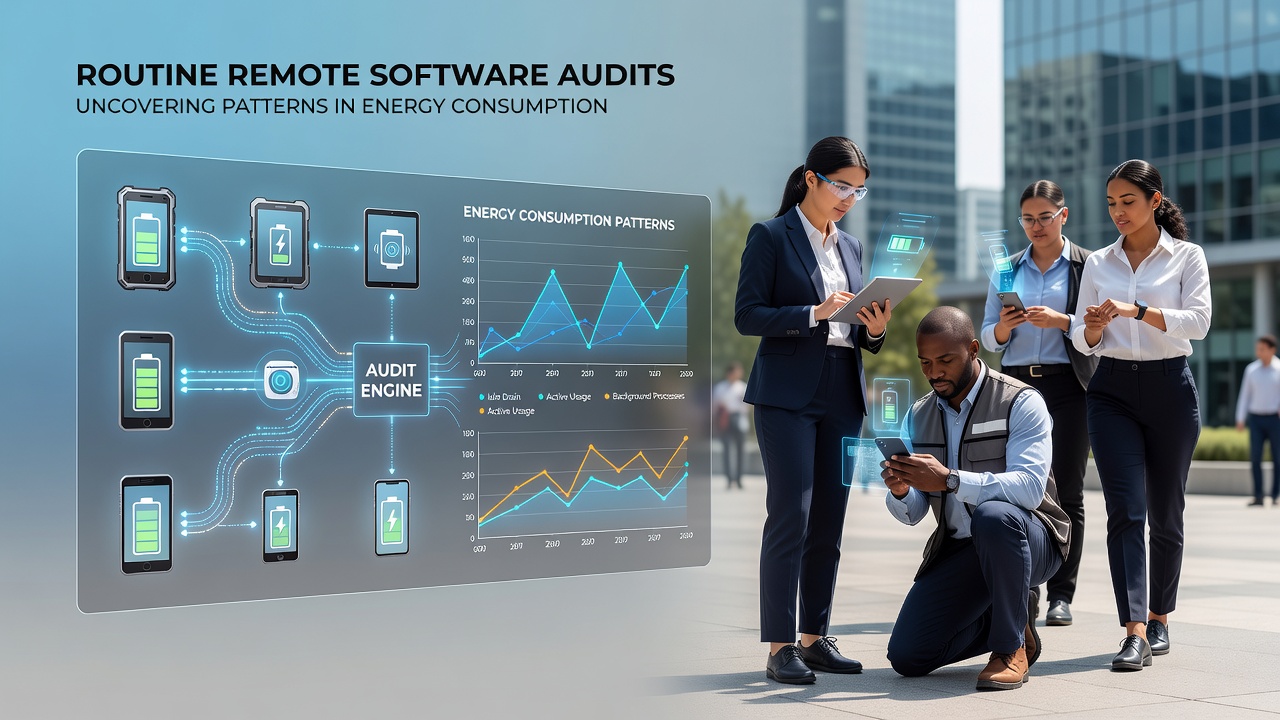
Remote software audits have become standard practice for organizations managing distributed teams, and these systematic checks reveal consistent trends in how battery-powered devices consume power during daily operations. Auditors connect to laptops, tablets, and smartphones through secure channels to review application activity, background services, and system configurations that influence battery drain rates. Data collected during these reviews shows clear correlations between specific software behaviors and accelerated energy depletion, particularly among employees who travel frequently or work from varying locations.
Core Processes Behind Remote Audits
Technicians initiate audits by deploying lightweight monitoring agents that operate without disrupting user workflows, then they compile logs of processor cycles, network connections, and peripheral interactions over set periods. These agents track metrics such as screen brightness adjustments, location services usage, and synchronization schedules that repeat at predictable intervals throughout the workday. Patterns emerge when auditors compare results across dozens of devices, revealing that certain cloud backup routines activate during peak travel hours and draw disproportionate power from batteries already stressed by cellular data handoffs.
Analysts cross-reference audit findings with device models and operating system versions to isolate variables that contribute to uneven consumption, and this approach highlights how older firmware versions on field tablets often fail to throttle non-essential processes during extended connectivity lapses. Organizations schedule audits monthly or quarterly, which allows teams to build longitudinal datasets that capture seasonal shifts in usage intensity.
Energy Patterns Detected in Mobile Environments
Audit records frequently identify clusters of applications that maintain persistent connections to enterprise servers, and these connections trigger repeated wake cycles that prevent devices from entering low-power states. Employees using navigation tools alongside productivity suites experience compounded drain because location polling combines with document syncing to keep radios active longer than necessary. Data sets from multiple regions indicate that devices operating on 5G networks in urban corridors consume up to thirty percent more battery during short commutes compared with equivalent sessions on Wi-Fi at fixed offices.
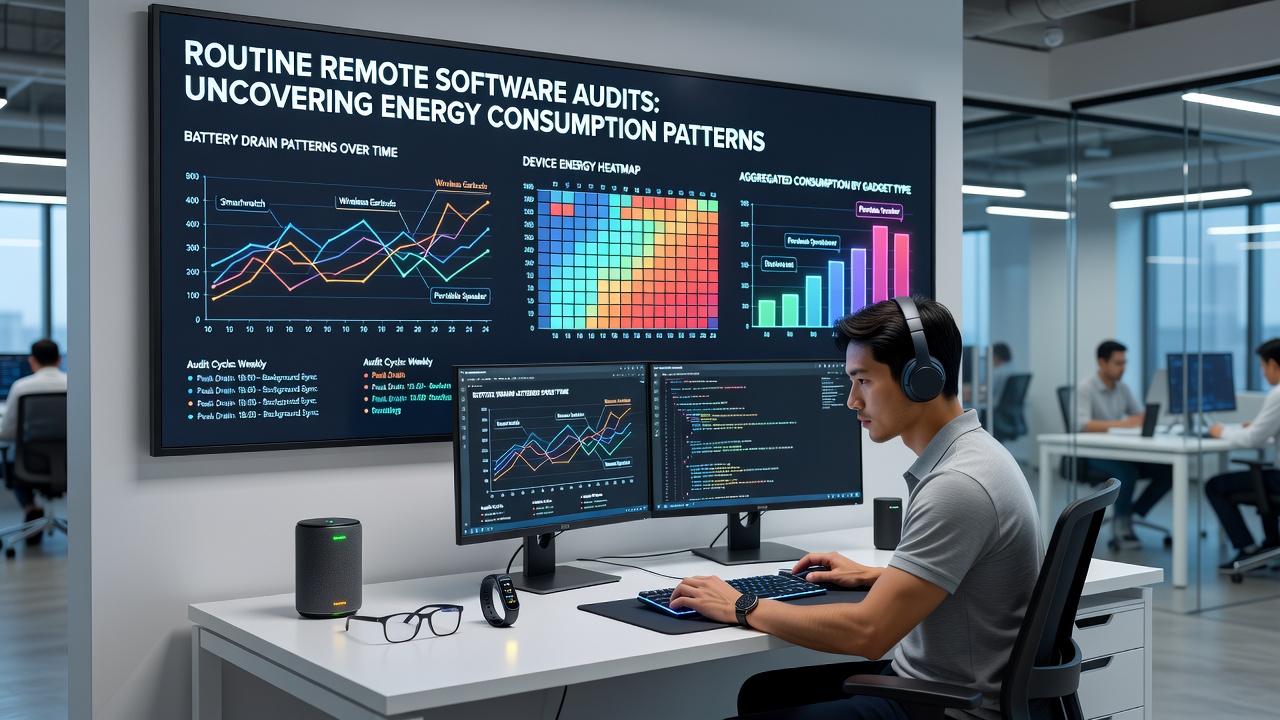
Researchers have documented how video conferencing clients running in background mode continue to sample microphones and cameras at fixed intervals, even when meetings conclude, and this residual activity creates noticeable spikes visible in audit timelines. Mobile workforces that alternate between vehicle chargers and portable power banks show distinct recovery patterns, yet audits reveal that many devices never fully recalibrate their power profiles after such transitions, leading to persistent overestimation of remaining capacity.
Insights from June 2026 Audit Cycles
During June 2026 reviews, analysts noted elevated consumption tied to updated operating system features that automatically adjust display refresh rates based on ambient light sensors, and these adjustments interacted unpredictably with third-party security applications installed across fleet devices. Reports compiled from North American and European deployments showed that tablets used for inventory scanning in warehouse-adjacent field sites exhibited accelerated drain when paired with Bluetooth beacons that maintained constant advertising packets. The resulting datasets enabled administrators to adjust beacon intervals and reduce aggregate energy draw without altering core scanning functionality.
Audit comparisons across different time zones further demonstrated that devices left in standby during overnight travel periods still registered background downloads initiated by regional content delivery networks, and these downloads aligned with local peak pricing windows for cellular data. Organizations that implemented targeted policy changes following these observations recorded measurable reductions in replacement battery requests within subsequent quarters.
Broader Organizational Applications
Enterprises integrate audit-derived energy profiles into device procurement decisions, favoring models whose hardware supports granular power gating for wireless modules. Training programs now incorporate findings that illustrate how specific email client settings influence battery longevity during multi-hour transit periods. Government agencies such as those tracking national energy efficiency standards have referenced similar audit methodologies when evaluating technology impacts on workforce sustainability goals, and one U.S. Department of Energy analysis outlines comparable monitoring approaches used in federal contractor fleets.
Industry groups focused on portable electronics have compiled aggregated statistics from member companies that align closely with patterns uncovered through routine remote checks, and these compilations help standardize expectations for battery performance under variable mobility conditions. International Energy Agency projections incorporate device-level consumption data gathered through comparable audit frameworks to model future electricity demand from expanding remote work sectors.
Conclusion
Routine remote software audits continue to supply actionable datasets that map energy consumption across battery-dependent devices in mobile settings, and the resulting patterns support refined configuration standards that extend operational uptime. Organizations that maintain consistent audit schedules accumulate evidence showing how software interactions, network conditions, and movement patterns combine to shape daily power requirements. These insights feed directly into policy updates and hardware refresh cycles that align device fleets more closely with actual field demands observed throughout 2026.